
You Don’t Actually Want To Be A Kid Again
How the gained profundity of adulthood outweighs the lost innocence of childhood

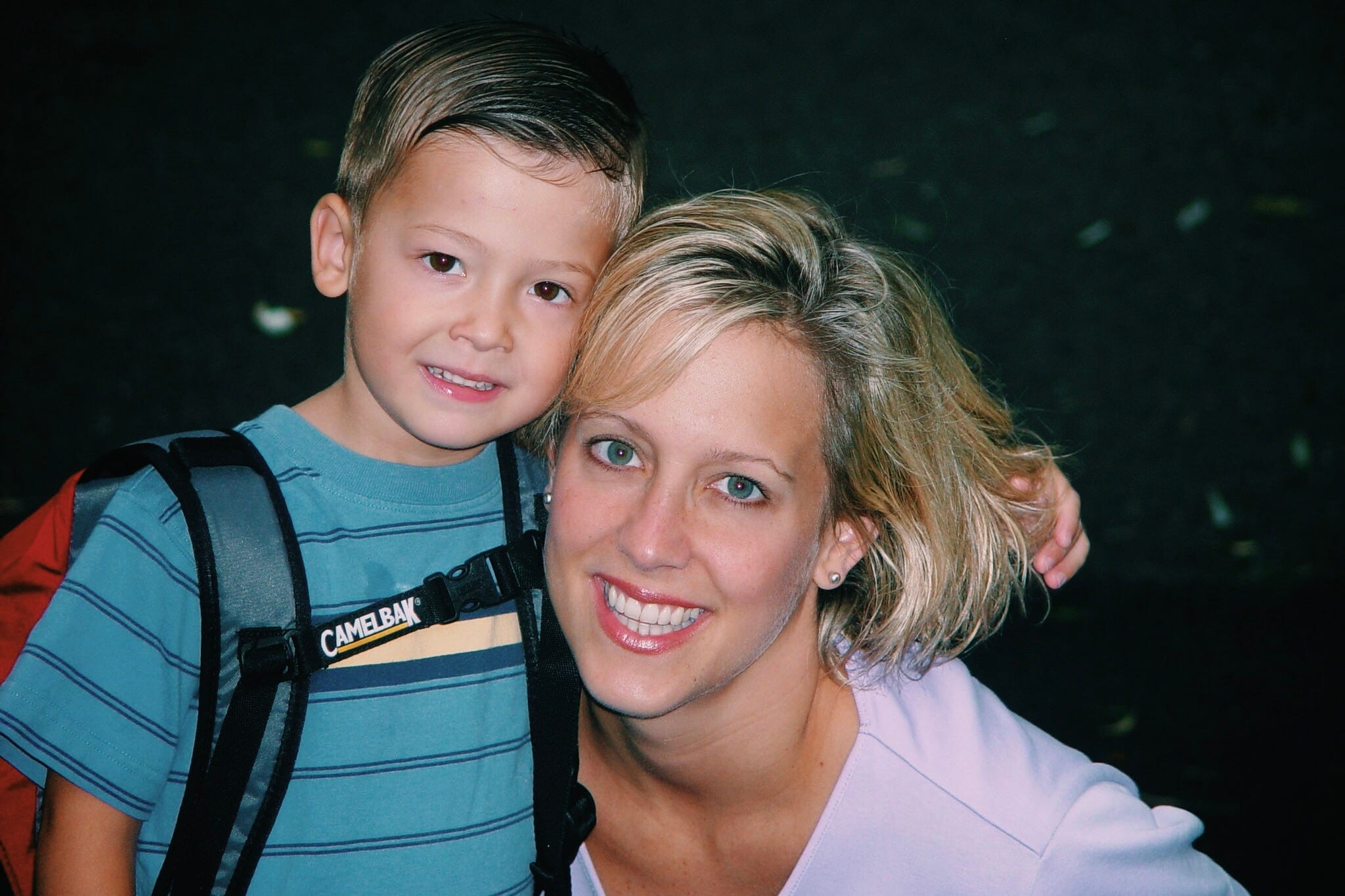
Many of us adults, juggling such things as rent payments and doctors appointments, often find ourselves wishing we could go back to the simplicity of childhood. I know I certainly do.
I’ll think back to those wide open summer days, where I’d return home after a little league baseball game (I was a vicious shortstop), change into a pair of shorts (and nothing else), and spend the day out in the sun, roaming with my brothers through my family’s three acres of backyard or the endless adjacent forest. And once that started to lose its luster for the day, I’d head back inside and, after spending a few solid moments brainstorming, sigh in resignation and settle down to read Harry Potter with a bowl of ice cream in front of me.
What made those days so special? Why do I pause in the middle of researching fines for overdue toll violations and travel back through the years, longing to inhabit those moments once again?
I’ve got some theories on that—but I’ve also got some theories on why most of us, if given that choice by an all-powerful genie, wouldn’t actually take him up on the offer.
Many people will assert that as we get older—as our brains mature and we start taking on more responsibility—the world grows darker. We start experiencing depression and discontent, or even a sense of meaninglessness and nihilism. This is undoubtedly true, and I didn’t write this post to poetically disprove this. Instead, I wrote it to show that, while it’s all true, it’s decidedly (and happily) not the whole story.
To illustrate this, take a moment and think back to the last time you experienced a strong positive emotion. It could be gratitude, wonder, excitement—anything that was strong and positive. I’ll do it too.
What did you come up with? Mine was a short moment of deep appreciation and love toward my mother, spurred by an old family picture I recently saw. It wasn’t anything transcendent, but for a few seconds I just considered her and loved her, and dwelled on the sacrifices she’s made—the trips, friends, hobbies, and fun she missed out on—all for the sake of her children’s happiness and betterment.
(As a side note, she would tell you it wasn’t a sacrifice at all, and that she wouldn’t trade a single moment of motherhood for the whole world. That’s fascinating in its own right, and I believe her wholeheartedly—but that’s a conversation for another time).
This little moment of remembrance was simply the last time I felt a strong positive emotion. If I’m allowed to think back even through just the past month, I could come up with many other instances of even more powerful, longer-lasting moments and experiences of the same nature.
Did you have thoughts like this as a child? When you were 11 years old, salivating at the thought of indulging your 30 minutes of video game time when you got home from school, did you ever sit and consider all the clothes and dinners and jewelry your parents wanted to buy for themselves, but never did because they’d committed to putting aside 15% of everything they made in order to build up your college fund? Or did you ever hold long conversations with your brother, after your fifth fistfight in as many days, about how you really appreciate each other for laying the foundation of conflict resolution and social skills that will end up saving many of your friendships down the road?
Obviously, you didn’t do any of these things. But forget about whether you did them or not—could you have done them, even if you really wanted to? Just turn the clock back far enough, and the answer eventually becomes a resounding no.
Growing up is a double-edged sword. You’re confronted with immense darkness in the world, and some genuine happiness is permanently lost. If you sometimes long for childhood again, you’re right to. But to remain in that innocent, beautiful state of youth forever is the only thing that would be more tragic than growing out of it.
As I put it in a song I wrote on this topic:
I was 17 when it hit me
One day I’m really going to dieBut also,
17 when I fell in love for the first time
The thing that puts the pain
In broken promises
Is the same thing that puts the magic in a first kiss
And let’s not cap it at a first kiss. Life—adult life—is a glittering mosaic that can be considered and appreciated and wondered at from endless angles:
Intensely loving and being loved by a romantic partner, and pouring out your souls to one another;
Cruising down a country road at the wheel of a fast car, with the windows down;
Feeling a real sense of sadness—and guilt, and shame at your own good fortune—as you fly across the world and see firsthand the poverty which is the norm for more than 80% of the world’s population;
Recovering, learning, and bettering yourself in the aftermath of a tragic breakup or divorce;
Uncertainly leaning into the weight of responsibility that comes with starting a family, and finding that you thrive in it;
Silently, gravely resolving to give your life to save those you love should the time come, and appreciating the sacrifices of those who’ve already done so—soldiers, martyrs, parents—with the most profound solemnity;
Forming a professional identity around a passion project, and devoting yourself to it tirelessly until it comes to fruition.
If you’re an adult reading this, you know that children can’t conceive of these things—at least not remotely at the same depth that you can. The spectrum of all possible experiences grows as you do. The bad things get worse, but the good things also get better.
So if you were approached by an all-powerful genie, I’m sure you’d come up with more than just a handful of urgent wishes—but I don’t think you’d seriously consider wishing to become a kid again, living like Peter Pan for eternity.
Why? You know deep down, like I do, that as nice as that would be, you’d be missing out.
As a side note, it’s important to point out that this idea of missing out on the deeper experiences only applies to us adults. For a young child, missing out is the point. A pure, innocent, adventurous childhood is the greatest gift a person can be given, since it’s the very thing that makes possible a healthy adulthood.
In fact, I think the only reason I’ve been able to come to grips with growing up, and combat the many horrors of this world with the even greater number of its unfathomable beauties, is because I was blessed enough to have parents who gave me just such a childhood.
As you look toward having children of your own—or if you’ve already done so—give them the gift of innocence that my parents gave to me.
Almost nothing matters more than this.